
Walking & Running
Quick Intro
Walking for exercise is a simple, low-impact activity that involves moving at a steady or brisk pace to improve cardiovascular health, mobility, and overall well-being. It requires no special equipment and can be done almost anywhere—around the neighborhood, on trails, or at parks—making it accessible for all ages and fitness levels. Walking with friends and family turns exercise into quality time, encouraging conversation, consistency, and mutual motivation. It’s an easy way to reduce stress, enjoy the outdoors, and build healthy routines together while strengthening relationships through shared movement and connection.
More Info About Gymnastics
Walking and running are both effective forms of exercise that improve cardiovascular health, endurance, and overall fitness, but they differ in intensity and impact. Walking involves keeping at least one foot on the ground at all times and is typically done at a steady or brisk pace, making it a low-impact activity that’s easy on the joints. Running includes a brief airborne phase where both feet leave the ground, increasing speed and intensity and raising the heart rate more quickly.
The main differences come down to effort, impact, and goals. Walking is ideal for beginners, recovery days, stress reduction, and long-term consistency, while running burns more calories in less time and builds higher cardiovascular capacity but places greater stress on joints and muscles. Both follow similar basic guidelines—good posture, proper footwear, warming up, and listening to your body—allowing individuals to choose the option that best fits their fitness level, lifestyle, and health needs.
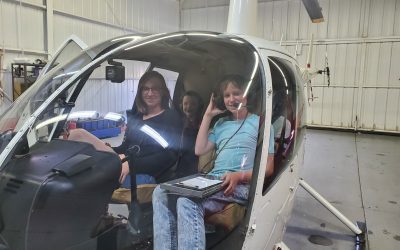
Helicopter exploration
When I was working for a helicopter tour company, I had an opportunity for my kids to jump in and see the controls. I think I was just as excited as they were to get into one, haha.
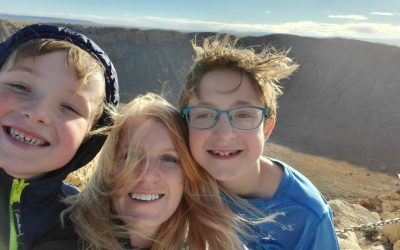
Meteor Crater fun
They found some great ways to make it fun to learn about a big dent in the ground. And it sounds like they've updated the kids' area so we will have to check it out again
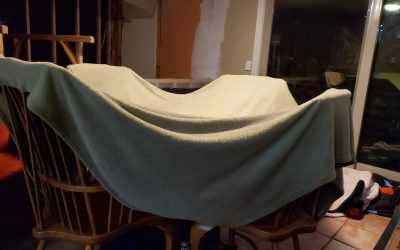
Dining chair fort
The kids loved using the dining chairs to build a fort
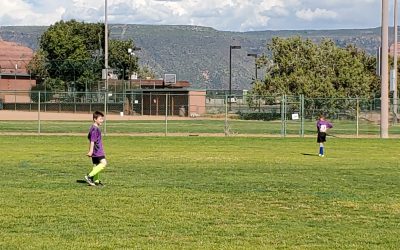
Soccer Summer
The summer Colton tried soccer and decided it wasn't really for him
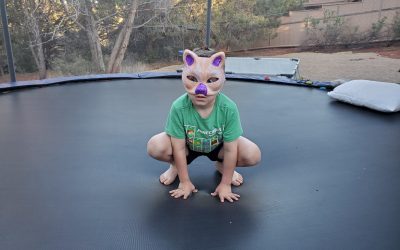
My silly trampoline kid
This kid is always dressing up or creating a costume or plushie, so it's a common occurrence for him to be dressed up or have a plushie in his arms no matter where he is
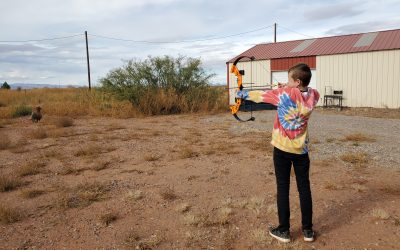
Archery at Grandma & Grandpa’s
My grandparents live out in the boonies so it's a great place to practice our archery
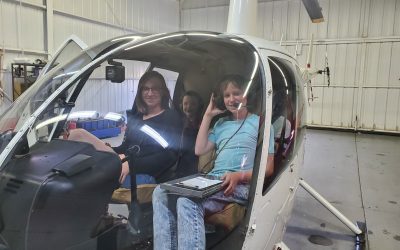
Checking out a helicopter
I worked for a helicopter tour company in Sedona for a while and so my kids got a chance to climb inside and take a look.
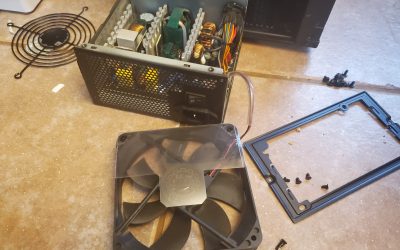
Replacing my Power Supply Unit
My PSU died and I ended up having to replace it. It was a good learning experience for everybody.
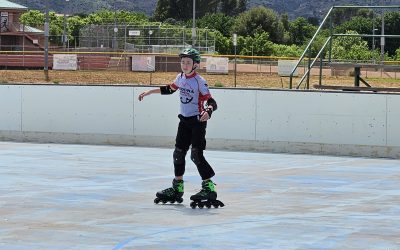
Rollerblading at Pioneer Park in Prescott AZ
Pioneer Park in Prescott has a roller hockey rink that they use for hockey games but it is also available for rollerblading and skating
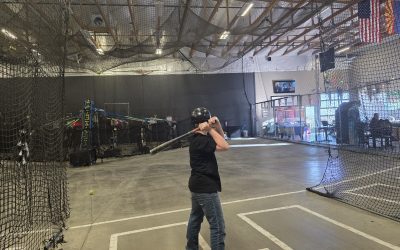
Batting Cages at Full Swing in Prescott AZ
Full Swing in Prescott Arizona has batting cages, arcade games, a trampoline bungee jump, and some snack foods. The last time I played softball was in high school, so it was fun to test out my skills. This is my 12 year old, who's never played on a team, trying it out.