Fencing
Quick Intro
Fencing is a fast, strategic sport where participants use swords—such as foils, épées, or sabres—to score points through precise movements, timing, and technique. It emphasizes agility, focus, and quick decision-making while also promoting respect and sportsmanship. Practicing fencing with family and friends builds trust, communication, and mental sharpness as participants learn rules and skills together in a safe, structured environment. It’s a unique and engaging way to stay active, boost confidence, and share an exciting experience that blends physical activity with strategy and friendly competition.
Rules of Fencing
Fencing is a fast, strategic combat sport where two opponents use bladed weapons to score points by touching specific target areas on each other. Fencers wear protective gear, including masks and padded jackets, and compete on a narrow strip called a piste. There are three main weapons—foil, épée, and sabre—each with its own rules about valid target areas, how points are scored, and how the weapon is used. A bout begins with both fencers facing each other, and the referee signals when to start and stop action.
Points are awarded when a valid touch is made according to the weapon’s rules, and electronic scoring equipment is commonly used to register hits. Bouts are usually fenced to 5 points in pool rounds or 15 points in direct elimination, or until time runs out. Basic rules include maintaining proper distance, not turning your back to your opponent, and obeying right-of-way rules in foil and sabre, which determine who earns the point when both fencers hit at nearly the same time. Fencing emphasizes speed, precision, strategy, and mental focus, making it both physically and intellectually demanding.
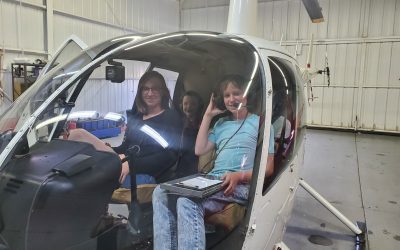
Helicopter exploration
When I was working for a helicopter tour company, I had an opportunity for my kids to jump in and see the controls. I think I was just as excited as they were to get into one, haha.
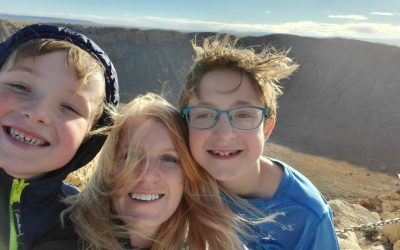
Meteor Crater fun
They found some great ways to make it fun to learn about a big dent in the ground. And it sounds like they've updated the kids' area so we will have to check it out again
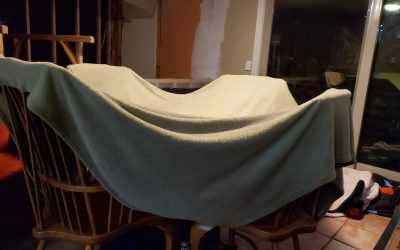
Dining chair fort
The kids loved using the dining chairs to build a fort
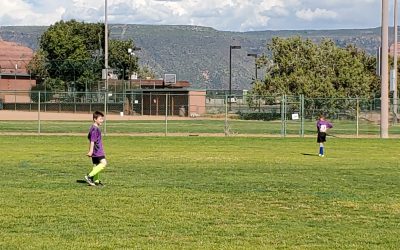
Soccer Summer
The summer Colton tried soccer and decided it wasn't really for him
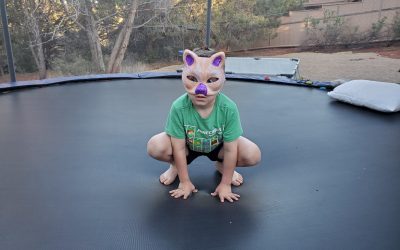
My silly trampoline kid
This kid is always dressing up or creating a costume or plushie, so it's a common occurrence for him to be dressed up or have a plushie in his arms no matter where he is
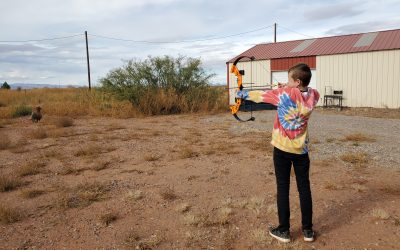
Archery at Grandma & Grandpa’s
My grandparents live out in the boonies so it's a great place to practice our archery
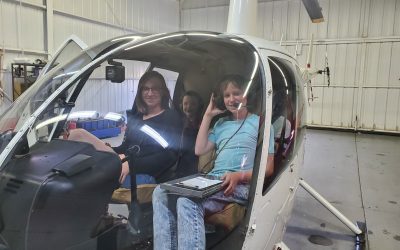
Checking out a helicopter
I worked for a helicopter tour company in Sedona for a while and so my kids got a chance to climb inside and take a look.
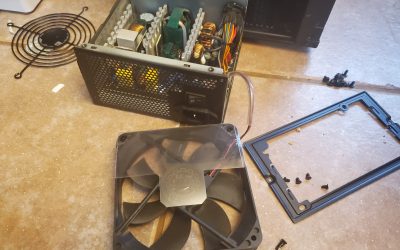
Replacing my Power Supply Unit
My PSU died and I ended up having to replace it. It was a good learning experience for everybody.
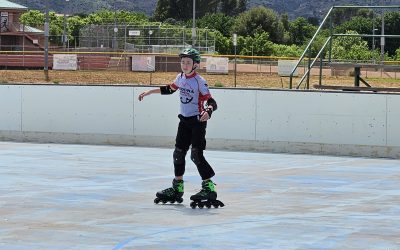
Rollerblading at Pioneer Park in Prescott AZ
Pioneer Park in Prescott has a roller hockey rink that they use for hockey games but it is also available for rollerblading and skating
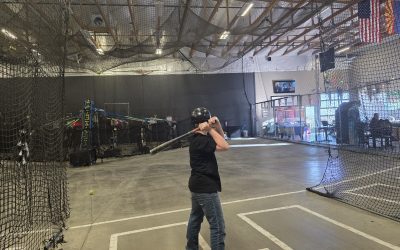
Batting Cages at Full Swing in Prescott AZ
Full Swing in Prescott Arizona has batting cages, arcade games, a trampoline bungee jump, and some snack foods. The last time I played softball was in high school, so it was fun to test out my skills. This is my 12 year old, who's never played on a team, trying it out.