Skateboarding
Quick Intro
Skateboarding is a dynamic action sport that involves riding and maneuvering a skateboard using balance, control, and creativity, whether cruising, performing tricks, or navigating skate parks. It builds coordination, strength, and perseverance while encouraging self-expression and problem-solving through skill progression. Skateboarding with friends and family creates a supportive, encouraging environment where participants can learn together, share tips, and celebrate progress. It’s a fun and engaging way to stay active, boost confidence, and strengthen relationships through shared challenges, creativity, and time spent outdoors.
More Info on Skateboarding
Skateboarding involves riding and maneuvering a board using balance, foot placement, and body control, with movements ranging from basic transportation to advanced tricks. Fundamental skills include pushing, turning (carving), stopping, and maintaining balance while riding on flat ground or ramps. As skaters progress, they learn tricks such as the ollie (the foundation of most tricks), kickflips, heelflips, grinds, slides, and aerial maneuvers on ramps and bowls. Different styles—street skating, park skating, vert skating, and freestyle—emphasize different terrain and techniques, but all rely on timing, coordination, and creativity.
Scoring in skateboarding applies mainly to competitions rather than recreational skating. In competitive events, judges score runs based on difficulty, execution, consistency, use of course, speed, and style. Skaters typically perform timed runs or best-trick attempts, with only their highest scores counting toward the final result. Falls, missed tricks, or lack of variety can lower scores, while clean landings and innovative combinations raise them. Recreational skateboarding has no scoring system and focuses on self-expression, skill progression, and enjoyment, making skateboarding both a sport and a creative outlet.
Scoring in roller skating depends on the style of skating. In artistic roller skating, judges score routines based on technical difficulty, execution, timing, and artistic presentation. Speed roller skating is scored by time, with the fastest skater or team winning the race. Roller derby uses a point-based system where designated scorers earn points by passing opposing players during timed jams. Recreational roller skating typically has no scoring system and focuses on enjoyment, fitness, and social interaction, making it a versatile activity suitable for both casual fun and competitive sport.

Helicopter exploration
When I was working for a helicopter tour company, I had an opportunity for my kids to jump in and see the controls. I think I was just as excited as they were to get into one, haha.

Meteor Crater fun
They found some great ways to make it fun to learn about a big dent in the ground. And it sounds like they've updated the kids' area so we will have to check it out again
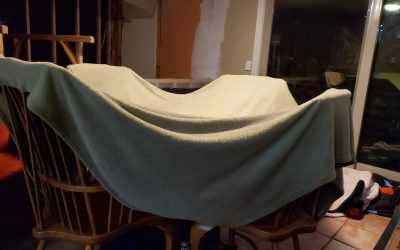
Dining chair fort
The kids loved using the dining chairs to build a fort
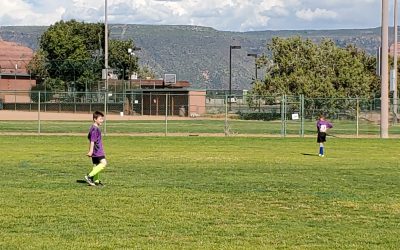
Soccer Summer
The summer Colton tried soccer and decided it wasn't really for him
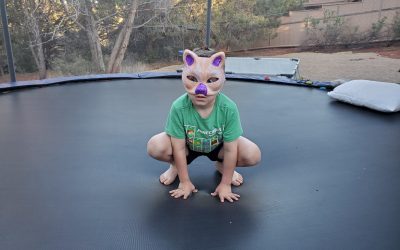
My silly trampoline kid
This kid is always dressing up or creating a costume or plushie, so it's a common occurrence for him to be dressed up or have a plushie in his arms no matter where he is
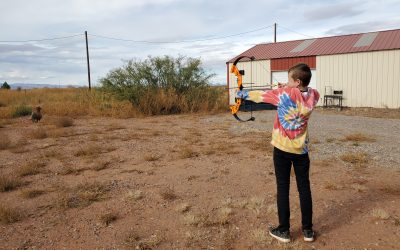
Archery at Grandma & Grandpa’s
My grandparents live out in the boonies so it's a great place to practice our archery

Checking out a helicopter
I worked for a helicopter tour company in Sedona for a while and so my kids got a chance to climb inside and take a look.
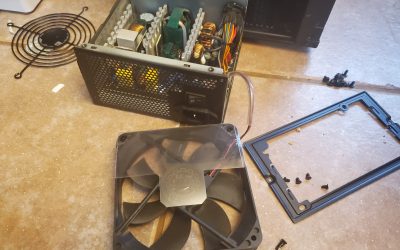
Replacing my Power Supply Unit
My PSU died and I ended up having to replace it. It was a good learning experience for everybody.
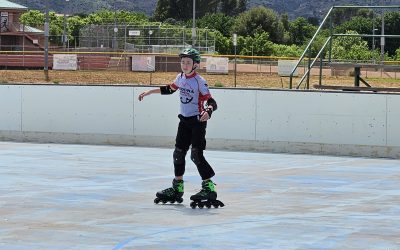
Rollerblading at Pioneer Park in Prescott AZ
Pioneer Park in Prescott has a roller hockey rink that they use for hockey games but it is also available for rollerblading and skating
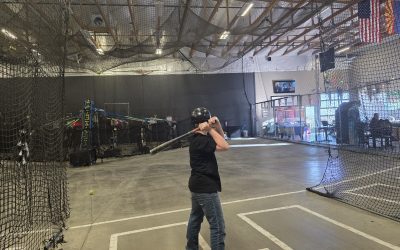
Batting Cages at Full Swing in Prescott AZ
Full Swing in Prescott Arizona has batting cages, arcade games, a trampoline bungee jump, and some snack foods. The last time I played softball was in high school, so it was fun to test out my skills. This is my 12 year old, who's never played on a team, trying it out.