
Electronics
Quick Intro
Doing activities that involve learning about and disassembling electronics with family and friends offers a hands-on way to build curiosity, problem-solving skills, and confidence with technology. Working together to take apart devices, identify components, and understand how circuits and parts function encourages teamwork, communication, and shared learning. These activities help demystify everyday electronics, reduce fear of breaking things, and promote critical thinking as participants troubleshoot and ask questions together. Beyond technical knowledge, they create meaningful bonding experiences, spark creativity and innovation, and can inspire long-term interest in engineering, technology, and repair skills that are valuable in everyday life.
More Info on Electronics
Electronic devices are made up of interconnected components that work together to control, power, and process electrical signals. Common components include circuit boards, which act as the backbone connecting parts; microchips and processors, which handle logic and decision-making; resistors, capacitors, and diodes, which regulate current and voltage; and transistors, which act as tiny switches that enable computation. Devices also contain power components such as batteries, power regulators, and charging circuits, along with input and output parts like buttons, sensors, speakers, screens, cameras, and ports. Together, these components allow devices like phones, toys, appliances, and controllers to sense input, process information, and produce output.
Friends and families can explore electronics together through safe, hands-on activities that encourage curiosity and teamwork. Disassembling old or broken electronics—such as radios, keyboards, game controllers, or small appliances—lets everyone identify components and learn how devices are assembled (always unplugged and battery-removed). Building simple circuits with kits, snap-together electronics, or breadboards helps explain how electricity flows and how components interact. Other fun activities include soldering practice on beginner boards, labeling parts during teardown challenges, watching teardown videos, or visiting maker spaces. These shared experiences build problem-solving skills, technical confidence, and a deeper understanding of the technology used every day. 🔧⚡
Helicopter exploration
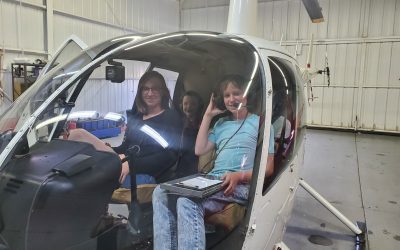
When I was working for a helicopter tour company, I had an opportunity for my kids to jump in and see the controls. I think I was just as excited as they were to get into one, haha.

Meteor Crater fun
They found some great ways to make it fun to learn about a big dent in the ground. And it sounds like they've updated the kids' area so we will have to check it out again
Dining chair fort
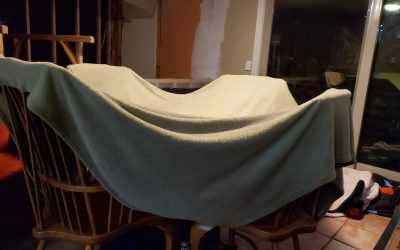
The kids loved using the dining chairs to build a fort

Soccer Summer
The summer Colton tried soccer and decided it wasn't really for him

My silly trampoline kid
This kid is always dressing up or creating a costume or plushie, so it's a common occurrence for him to be dressed up or have a plushie in his arms no matter where he is
Archery at Grandma & Grandpa’s
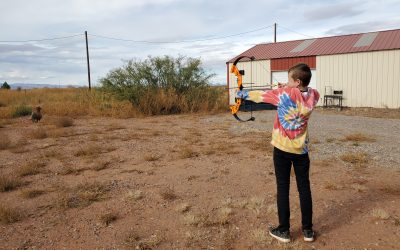
My grandparents live out in the boonies so it's a great place to practice our archery
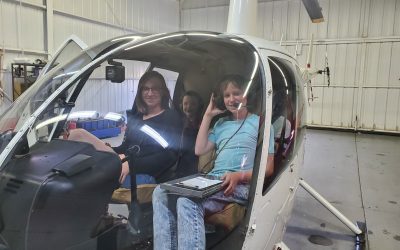
Checking out a helicopter
I worked for a helicopter tour company in Sedona for a while and so my kids got a chance to climb inside and take a look.
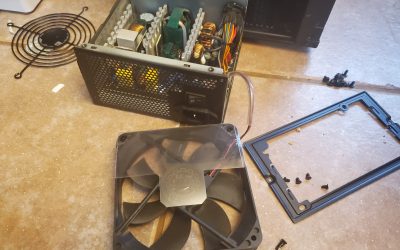
Replacing my Power Supply Unit
My PSU died and I ended up having to replace it. It was a good learning experience for everybody.

Rollerblading at Pioneer Park in Prescott AZ
Pioneer Park in Prescott has a roller hockey rink that they use for hockey games but it is also available for rollerblading and skating

Batting Cages at Full Swing in Prescott AZ
Full Swing in Prescott Arizona has batting cages, arcade games, a trampoline bungee jump, and some snack foods. The last time I played softball was in high school, so it was fun to test out my skills. This is my 12 year old, who's never played on a team, trying it out.